Re-imagining Qualifications in Kenya: How Kenya Red Cross Training Institute Is Aligning Education With the Future of Work
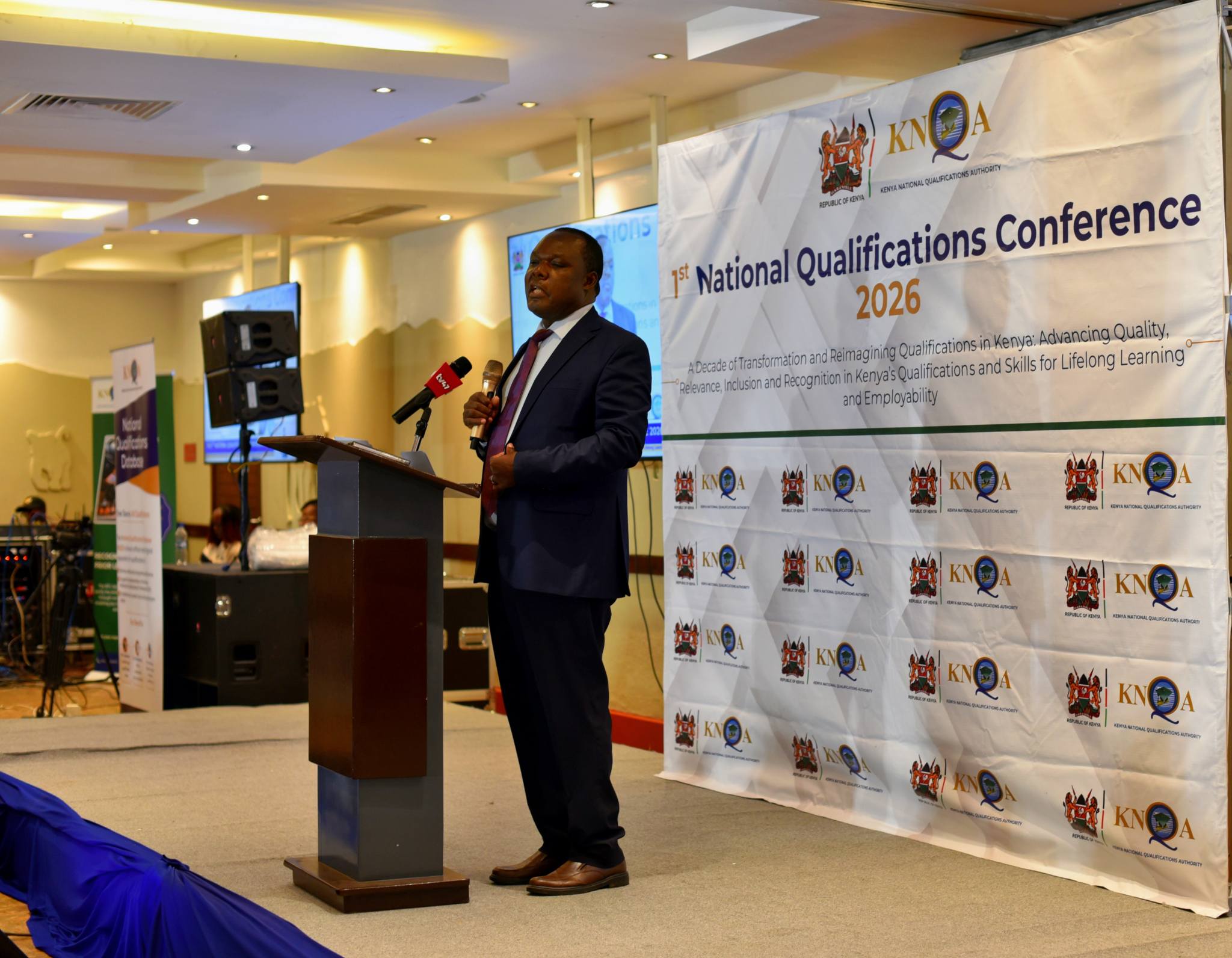
The recent article by Scholar Media Africa on the First National Qualifications Conference captured a critical national conversation: Kenya must move beyond paper qualifications and re-imagine education around skills, employability, lifelong learning, inclusion, and real-world competence.
This conversation is not theoretical for the Kenya Red Cross Training Institute (KRCTI). It is already being operationalized.
As Kenya continues to navigate rapid technological shifts, evolving labor market demands, public health emergencies, climate-related disasters, and increasing pressure for workforce readiness, KRCTI has steadily positioned itself as a practical model of competency-based, industry-responsive, and impact-driven education.
Founded in 2010 as a Technical and Vocational Education and Training (TVET) institution under the Kenya Red Cross Society, KRCTI was established to bridge the growing gap in pre-hospital emergency care in Kenya. Over the years, the institution has evolved into a nationally recognized center for health, emergency response, occupational safety, disaster management, and humanitarian training.
Today, many of the themes highlighted during the First National Qualifications Conference mirror the very direction KRCTI has been pursuing for years.
Moving Beyond Certificates to Competence
One of the strongest messages emerging from the conference was that qualifications must no longer be viewed merely as academic credentials, but as demonstrable competencies that prepare learners for real-world work environments.
KRCTI has consistently aligned itself with this philosophy through its highly practical training model.
Programs such as the Diploma in Paramedicine, Diploma in Disaster Management, Certificate in Advanced Emergency Medical Technician (AEMT), Certificate in Health Care Assistant (HCA), and Occupational Safety and Health (OSH) training are structured around applied skills, simulation-based learning, emergency response drills, and field exposure.
This approach reflects a growing reality within Kenya’s qualifications ecosystem: employers increasingly value graduates who can perform, adapt, and respond effectively regardless of the situation, not simply those who possess theoretical certification.
In emergency care and disaster response, especially, competence is not optional. It directly impacts lives.
Supporting Lifelong Learning and Skills Mobility
Another central theme from the KNQA conference was lifelong learning and the recognition of skills acquired outside traditional academic pathways. KRCTI has strongly embraced this transition through Recognition of Prior Learning (RPL), positioning itself as one of the institutions actively advancing competency-based qualifications in Kenya.
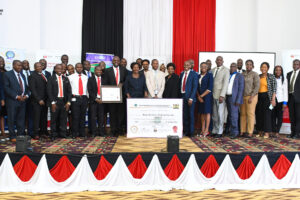
As part of this commitment, the Kenya Red Cross Training Institute was formally recognized by the Kenya National Qualifications Authority (KNQA) as an RPL center on September 30th 2024, enabling experienced practitioners to have their workplace skills, field experience, and informal learning assessed and aligned with nationally recognized qualifications.
This milestone is particularly significant for sectors such as emergency response, healthcare, occupational safety, and disaster management, where many professionals acquire extensive practical expertise through years of service but may lack formal academic certification. Through RPL, KRCTI is helping bridge that gap by transforming experience into nationally recognized qualifications, strengthening workforce mobility, inclusion, and lifelong learning within Kenya’s evolving qualifications landscape.
This is particularly important in Kenya’s informal and semi-formal workforce sectors, where many skilled professionals have historically remained excluded from structured career progression due to a lack of formal papers despite possessing valuable competencies.
By supporting RPL, KRCTI is contributing to a more inclusive and equitable qualifications landscape.
Aligning Training With Industry and National Needs
The conference further emphasized the need for qualifications to remain responsive to changing labor markets, emerging industries, and national development priorities which KRCTI’s program architecture directly reflects.
The institution continuously aligns its training with both national and global workforce demands through accreditation and engagement with regulatory and professional bodies, including the Technical and Vocational Education and Training Authority (TVETA), the Kenya National Qualifications Authority (KNQA), the National Industrial Training Authority (NITA), and international emergency care certification bodies.
More importantly, KRCTI’s training model is deeply anchored in emerging societal realities:
- Growing demand for pre-hospital emergency care
- Increased workplace safety compliance requirements
- Rising disasters and climate-related emergencies
- Expansion of community health systems
- Demand for psychosocial support and humanitarian response capacity
In this sense, KRCTI is not simply training students for jobs. It is preparing responders and professionals for national resilience.
Integrating Humanitarian Action With Skills Development
One of KRCTI’s unique differentiators within Kenya’s TVET and qualifications ecosystem is its humanitarian foundation. As part of the Kenya Red Cross Society ecosystem, the institution integrates technical training with humanitarian values, emergency preparedness, community service, and crisis response.
This creates graduates who are not only employable but also socially responsive and community-centered. At a time when the world is increasingly discussing human-centered education, resilience, and adaptive skills, KRCTI’s model demonstrates how qualifications can simultaneously support employability and national humanitarian capacity.
Expanding Access Through Regional Growth
The qualifications conference also highlighted inclusion and equitable access as critical pillars for the future of education in Kenya.
KRCTI’s expansion beyond Nairobi into the Central and West Kenya regions reflects this commitment to decentralizing access to quality technical education and emergency response training.
By moving closer to communities and regional labor markets, the institution is helping reduce geographic inequalities in access to specialized healthcare and emergency training opportunities. This regionalization strategy is especially important in strengthening local response capacity across counties.
Building the Future of Skills in Kenya
The national conversation on qualifications reform is ultimately a conversation about Kenya’s future competitiveness, resilience, and workforce readiness.
Institutions that will remain relevant are those capable of adapting quickly to technological shifts, labor market disruptions, and societal needs while maintaining quality, inclusion, and credibility.
KRCTI’s continued investments in competency-based education, practical training, Recognition of Prior Learning, industry alignment, regional access, and humanitarian-centered learning position the institution as an active contributor to Kenya’s evolving qualifications landscape.
As the country continues to re-imagine what meaningful qualifications should look like, the future increasingly belongs to institutions that do not simply issue certificates but build capability, confidence, and national resilience.
And in many ways, that future is already being demonstrated at KRCTI.