RPL Programme Reaches Major Milestone in Kakuma, and DadaabRPL Programme Reaches Major Milestone in Kakuma and Dadaab.
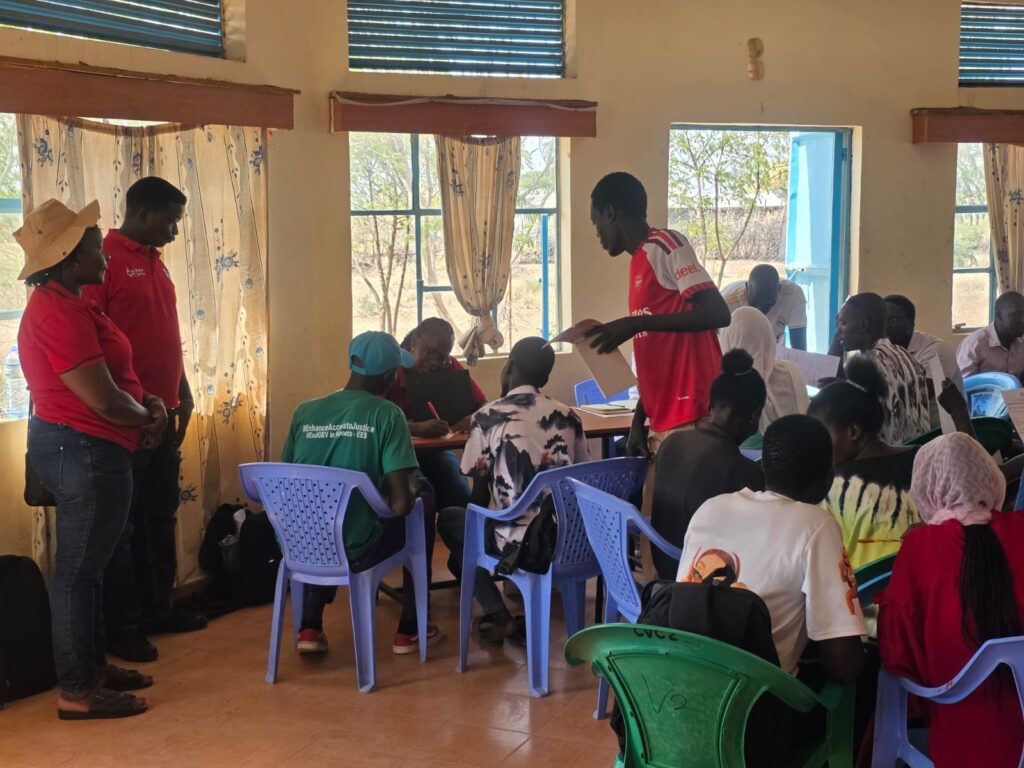
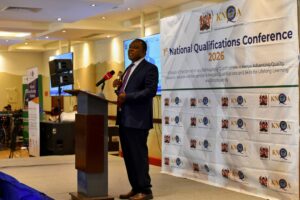
For thousands of refugees and host community members in Kakuma and Dadaab, years of hands-on experience in community health, disaster preparedness, emergency response, fire management, and social work have never been backed by a certificate. This lack of formal recognition often blocks career progression, limits access to better employment opportunities, and leaves valuable skills unacknowledged. That’s changing. The Kenya National Qualifications Authority (KNQA), working with UNHCR, has rolled out Recognition of Prior Learning (RPL): a process that assesses what people can do and certifies it against national standards, regardless of how or where they learned it.
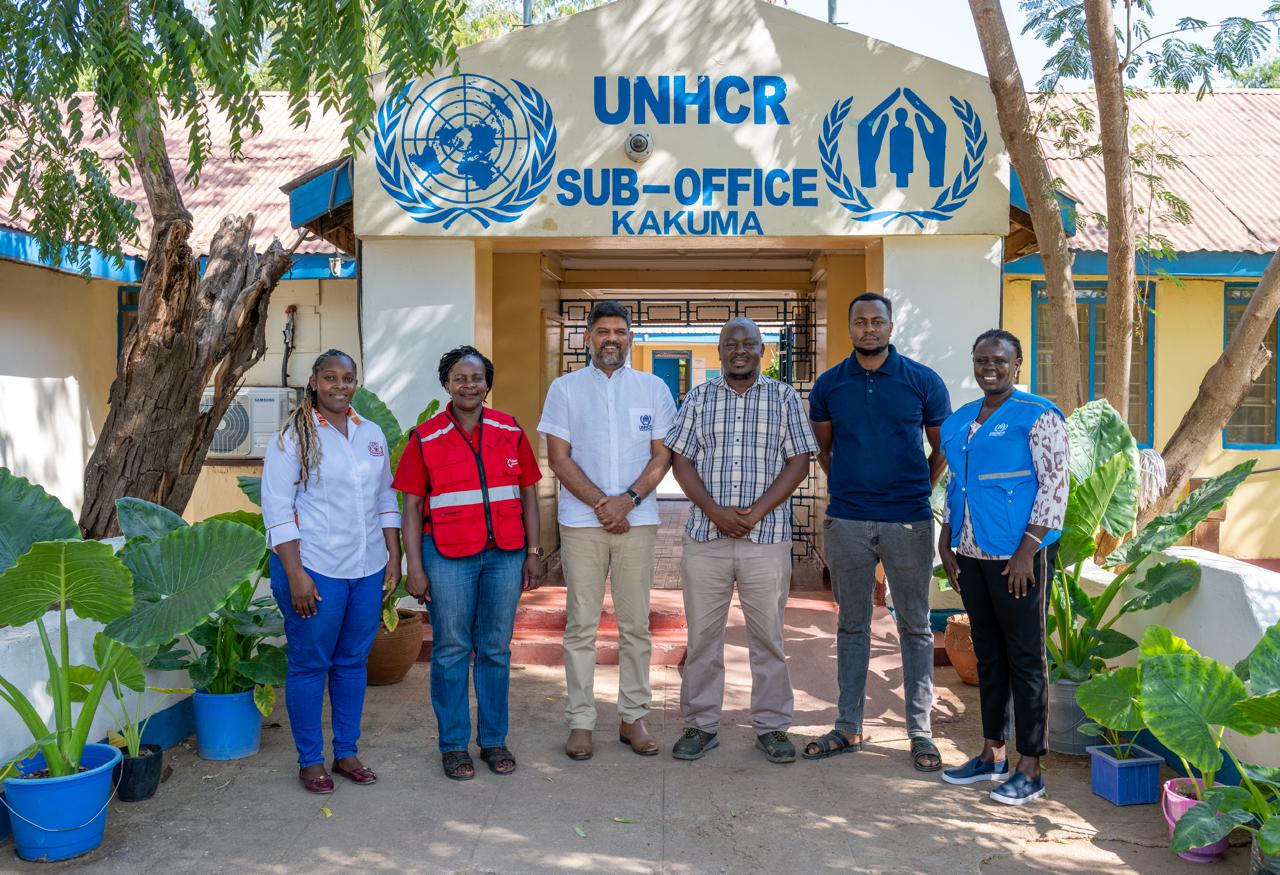
The numbers tell the story of momentum. Awareness campaigns reached over 6,500 potential candidates across both camps, nearly 3,910 in Kakuma and 2,597 in Dadaab, spanning sectors from ICT and hospitality to agriculture and health services. From there, more than 1,600 candidates underwent screening, counselling, and portfolio building, with assessors helping each person document real evidence of their skills. As of this week, Kakuma has moved into the Portfolio of Evidence assessment phase, where accredited assessors are reviewing candidate portfolios and verifying competencies through structured interviews. Dadaab follows next week.
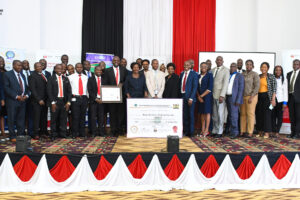
The Kenya Red Cross Training Institute (KRCTI) is proud to serve as one of the designated Qualification Awarding Bodies for this initiative, alongside Kitale and Nyeri National Polytechnics, bringing formal, nationally recognized certification within reach of at least 1,200 candidates in this phase alone.
This is what SDG4’s promise of equitable, inclusive education looks like in practice: not everyone’s path to a qualification runs through a classroom, and this programme meets people where their learning happened. It’s a natural extension of KRCTI’s own commitment to equity and impartiality, recognizing that skill and dignity aren’t determined by paperwork, and that displacement shouldn’t mean invisibility.
For refugees and host community members alike, a certificate from this process is more than a document. It’s a foothold for employment, for resettlement pathways, for reintegration, for being seen as the skilled professional you already are. Follow Kenya Red Cross Training Institute to keep up to date with this initiative.